How ESD Workbenches Protect Sensitive Electronics and Improve Workplace Safety
Electronic components are becoming smaller and more sophisticated, making them increasingly vulnerable to electrostatic discharge (ESD). Choosing suitable Esd workbenches helps businesses protect sensitive devices during assembly, testing, inspection, and repair. A properly designed workstation supports safe handling procedures, improves organisation, and reduces the risk of damage that may otherwise lead to product failures and unnecessary costs.
Understanding Electrostatic Discharge Risks
Electrostatic discharge occurs when built-up electrical charge moves suddenly between objects. Although this discharge may be too small for a person to notice, it can damage sensitive electronic components, including integrated circuits, microprocessors, and circuit boards.
Damage is not always immediately visible. Some components may fail during testing, while others develop hidden weaknesses that affect their reliability later. Establishing an electrostatic-protected working environment is therefore important for electronics manufacturers, laboratories, repair centres, and quality control departments.
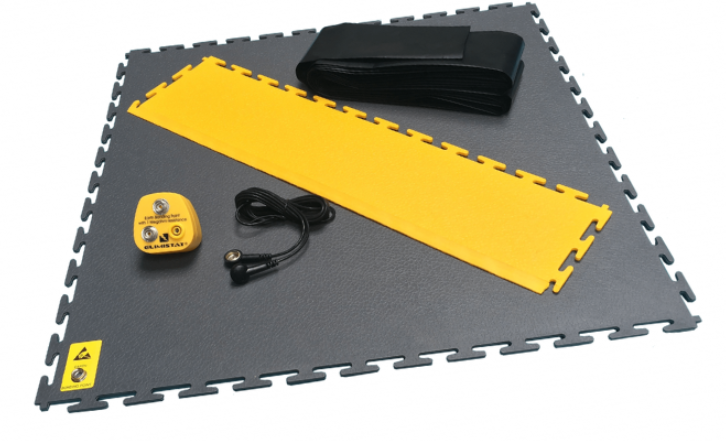
Essential Features of an ESD Workstation
A suitable workstation combines a stable structure with materials and accessories designed for electrostatic control. Depending on the application, important features may include an ESD-safe work surface, grounding connections, wrist strap points, and compatible storage systems.
The worktop should be selected according to the sensitivity of the components being handled. Proper grounding and regular verification are equally important because an ESD-safe surface alone does not guarantee complete protection.
Businesses should also consider lighting, storage capacity, workspace dimensions, and employee comfort. Keeping tools and components organised reduces unnecessary handling and allows technicians to concentrate on precise tasks.
Improving Productivity and Quality Control
An organised workstation can improve production efficiency by keeping frequently used tools, testing equipment, and components within easy reach. Employees spend less time searching for materials and can follow repeatable procedures more consistently.
For example, a circuit board assembly facility can establish designated areas for component preparation, soldering, inspection, and testing. Each area can use suitable ESD controls to support product quality throughout the process.
Staff training should accompany workstation installation. Employees need to understand grounding procedures, correct wrist strap use, safe packaging methods, and the importance of maintaining electrostatic-protection equipment.
Choosing the Right Solution for Your Facility
Before purchasing a workstation, evaluate the types of electronic products handled, the available floor space, and the daily workload. Consider modular designs if production requirements may change. It is also sensible to review load capacity, accessories, maintenance requirements, and compatibility with existing ESD procedures.
Regular inspections and appropriate testing help confirm that protective measures continue to function as intended. Damaged surfaces, loose grounding connections, and worn accessories should be addressed promptly.
In conclusion, effective electrostatic control requires suitable equipment, consistent procedures, and trained employees. Investing in a reliable anti static bench can help businesses protect valuable electronic components, maintain quality standards, and create a safer, more efficient working environment.

Comments
Post a Comment